Lucerne Switzerland Travel Guide
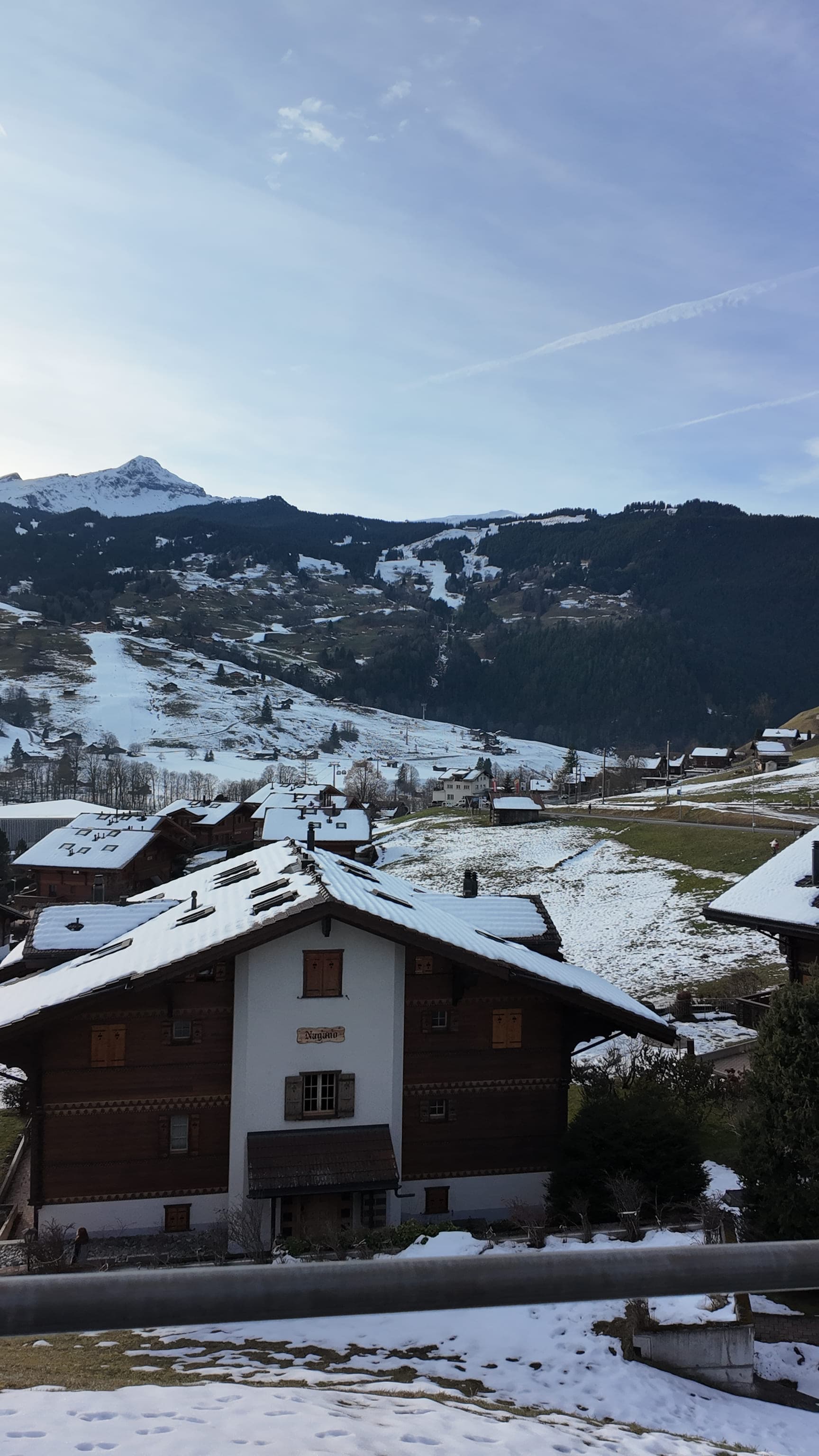
We arrived in Lucerne on the direct train from Zurich and within an hour we were standing on a 14th-century wooden bridge with snow-capped peaks rising behind the lake. This compact city in central Switzerland packs medieval towers, flower-lined promenades, and two legendary mountains into a base you can explore entirely on foot. We spent our days riding cogwheel railways and paddle steamers, and our evenings wandering frescoed old-town squares. Lucerne became our favorite introduction to Switzerland, and this guide covers everything we learned about doing it well.
Quick Facts
Country
Switzerland
Region
Central Switzerland
Language
Swiss German (English widely spoken)
Currency
Swiss franc (CHF)
Best Time to Visit
June to September; December to February for snow scenery
Visa (MY/PH)
Schengen area; many nationalities visa-free up to 90 days
Getting Around
Walk the compact center; trains, lake boats, and cogwheel railways for excursions
Daily Budget
Budget
$90-130
Mid
$200-300
Luxury
$450+
Top things to do in Lucerne
The Chapel Bridge (Kapellbrücke) is the essential first stop, a covered wooden bridge from the 14th century with flower boxes along its railings and an octagonal water tower midway across. It is completely free, and we found it at its most magical at dawn, before the day-trip crowds arrived from Zurich. From there it is a ten-minute walk to the Lion Monument, the dying lion carved into a rock face that Mark Twain called the most mournful piece of stone in the world. That one is free too, and pairs well with the Glacier Garden next door.
The big-ticket experiences are the mountains. The Mount Pilatus Golden Round Trip costs CHF 72-78 (about $90-98) and combines the world's steepest cogwheel railway, cable cars, and a lake boat into one unforgettable loop. Mount Rigi, the so-called Queen of the Mountains, runs about CHF 78 (roughly $98) round trip on Europe's first cogwheel railway, with gentler alpine meadow walks up top and thermal baths at Rigi Kaltbad.
Back in town, the Old Town and Musegg Wall cost nothing. The medieval wall's towers can be climbed for free in summer, and one of the tower clocks famously strikes a minute early by tradition. Allow one to two hours to wander the frescoed guild houses around the car-free squares, then finish with a Lake Lucerne cruise, which costs CHF 30-60 (about $38-75) depending on route length, or nothing at all if you hold a Swiss Travel Pass.
Food in Lucerne and where to eat
Swiss classics dominate the menus here, and we made a point of trying the local specialty, Luzerner Chügelipastete, a puff pastry shell filled with creamy veal and mushroom ragout, typically CHF 25-35 in old-town restaurants. Cheese fondue and raclette are everywhere in the cooler months, usually CHF 28-40 per person. For rösti with sausage or alplermagronen (alpine macaroni with cheese, potato, and apple sauce), expect around CHF 22-30 at traditional spots along the Reuss riverfront.
Eating cheaply in Switzerland takes strategy. Coop and Migros supermarkets sell excellent picnic supplies, and a fresh sandwich, fruit, and a drink runs CHF 10-15, which we ate on the lakeside promenade with million-dollar views for free. Bakeries sell butter gipfeli (croissants) for CHF 1.50-2.50, and department store self-service restaurants like Manora offer full hot meals for CHF 15-20. A cappuccino in a cafe runs CHF 5-6, so we quickly learned to savor rather than gulp.
For a proper sit-down dinner, the lakeside restaurants near the Chapel Bridge charge a premium but deliver on atmosphere. Budget CHF 40-60 per person with a drink. Swiss chocolate is the affordable indulgence; chocolatiers in the old town sell individual pralines for CHF 1.50-3, and a good bar of Swiss chocolate from the supermarket costs just CHF 2-4, which made our best souvenirs.
Day trips: Pilatus versus Rigi, and doing both
If you only have time for one mountain, the choice defines your trip. Pilatus is the dramatic one, with jagged limestone crags, a 48 percent gradient cogwheel railway from Alpnachstad (the steepest in the world), and dragon legends woven into the marketing. The full Golden Round Trip takes half to a full day: boat from Lucerne to Alpnachstad, cogwheel up, cable cars down to Kriens, and a bus back. At CHF 72-78 it is pricey but genuinely unforgettable, and a Swiss Travel Pass cuts roughly 50 percent off the fare.
Rigi is the gentler, more contemplative alternative at about CHF 78 round trip. The historic cogwheel railway from Vitznau climbs through meadows rather than cliffs, and the summit plateau invites actual walking, with wide trails, grazing cows, and panoramas across the lake to the high Alps. We loved that you can break the descent at Rigi Kaltbad for the mineral baths. Families and travelers who want to hike a little rather than just ride tend to prefer Rigi.
Doing both mountains over two days is entirely realistic from a Lucerne base, and boat connections make each journey part of the scenery. Check the weather webcams each morning before committing, because a summit in cloud is an expensive gray room. If clouds roll in, pivot to the free Musegg Wall towers or take a shorter lake cruise to Weggis and back instead.
Getting around Lucerne and where to stay
Lucerne has no airport of its own, so fly into Zurich (ZRH) and take the direct train, which reaches Lucerne in about one hour with departures every half hour. The city itself is compact enough that we never used a bus; the station, Chapel Bridge, old town, and boat docks all sit within a ten-minute walk of each other. The mountain railways and lake steamers depart from the lakefront right by the station, which makes morning starts painless.
Stay in or beside the Old Town if your budget allows. Hotels here are expensive, roughly CHF 120-180 for simple doubles and CHF 250-450 for lake-view four-star rooms in summer, but the location saves time and transit costs. Guesthouses and hostels around the station run CHF 50-90 per person. One genuinely useful perk: most Lucerne hotels give guests a free Visitor Card that covers city buses and earns discounts on mountain excursions, so ask at check-in.
If you plan two or more mountain trips plus lake cruises, price out a Swiss Travel Pass before buying individual tickets. It makes scheduled lake boats entirely free and halves the big mountain fares, which for us nearly paid for itself in three days. Otherwise buy point-to-point tickets at the station or in the SBB app, which shows real-time platforms and boat connections.
Best time to visit Lucerne and practical tips
Late May through September is prime time, with warm lake days, all mountain transport running at full schedule, and the Musegg Wall towers open for free climbing. July and August bring the biggest crowds and highest hotel rates, so we would aim for June or September for the sweet spot of good weather and breathing room. Winter has its own magic, with snow on the peaks, a famous carnival in February, and far cheaper rooms, though some boat routes run reduced schedules.
Practical notes that saved us money and hassle: tap water is excellent and the public fountains around the old town are drinkable, so carry a bottle. Card payments work everywhere, and we never needed much cash. Shops close on Sundays, though bakeries and station shops stay open. Check the Pilatus and Rigi webcams before buying mountain tickets, and start mountain days early because afternoon haze and clouds build over the lake in summer.
How much does a Lucerne trip cost?
Sightseeing is the predictable expense: budget $110-160 per person for the headline attractions, which assumes one big mountain excursion (Pilatus at $90-98 or Rigi at about $98) plus a lake cruise at $38-75. The rest of the classic sights, including the Chapel Bridge, Lion Monument, Old Town, and Musegg Wall, are completely free, which softens the blow considerably. Swiss Travel Pass holders can cut the mountain fares by about half and cruise for free.
For total daily costs, backpackers can survive on $90-130 per day with hostel dorms, supermarket meals, and one splurge activity spread across the stay. A comfortable mid-range trip with a central three-star hotel, one restaurant meal daily, and a mountain trip runs $200-300 per person per day. Luxury travelers with lake-view rooms and fine dining should budget $450 and up. Two to three days is the ideal length: enough for both mountains, a cruise, and slow old-town evenings without Switzerland's prices wearing out their welcome.
See it on the Map
View Lucerne alongside all my other footprints.
More from Europe
Budgeting for Switzerland
Wondering how much Switzerland costs? See our real budget breakdown with daily costs at budget, mid-range, and luxury levels.