Barcelona Spain Travel Guide
We planned three days in Barcelona and stretched it to five, because this city keeps producing reasons to stay: Gaudí's dreamlike buildings, tapas crawls that end after midnight, and a beach ten minutes from the Gothic Quarter's medieval lanes. The stained-glass light inside the Sagrada Família genuinely stopped us mid-sentence. Below is our full breakdown of tickets, food, neighborhoods, transport, and what a trip here really costs.
Quick Facts
Country
Spain
Region
Catalonia
Language
Spanish and Catalan (English common in tourist areas)
Currency
Euro (EUR)
Best Time to Visit
May-June and September-early October
Visa (MY/PH)
Schengen rules apply ~ check current requirements
Getting Around
Metro with T-casual 10-ride card (~€12.50) plus walking
Daily Budget
Budget
$70-100
Mid
$150-230
Luxury
$350+
Top things to do in Barcelona
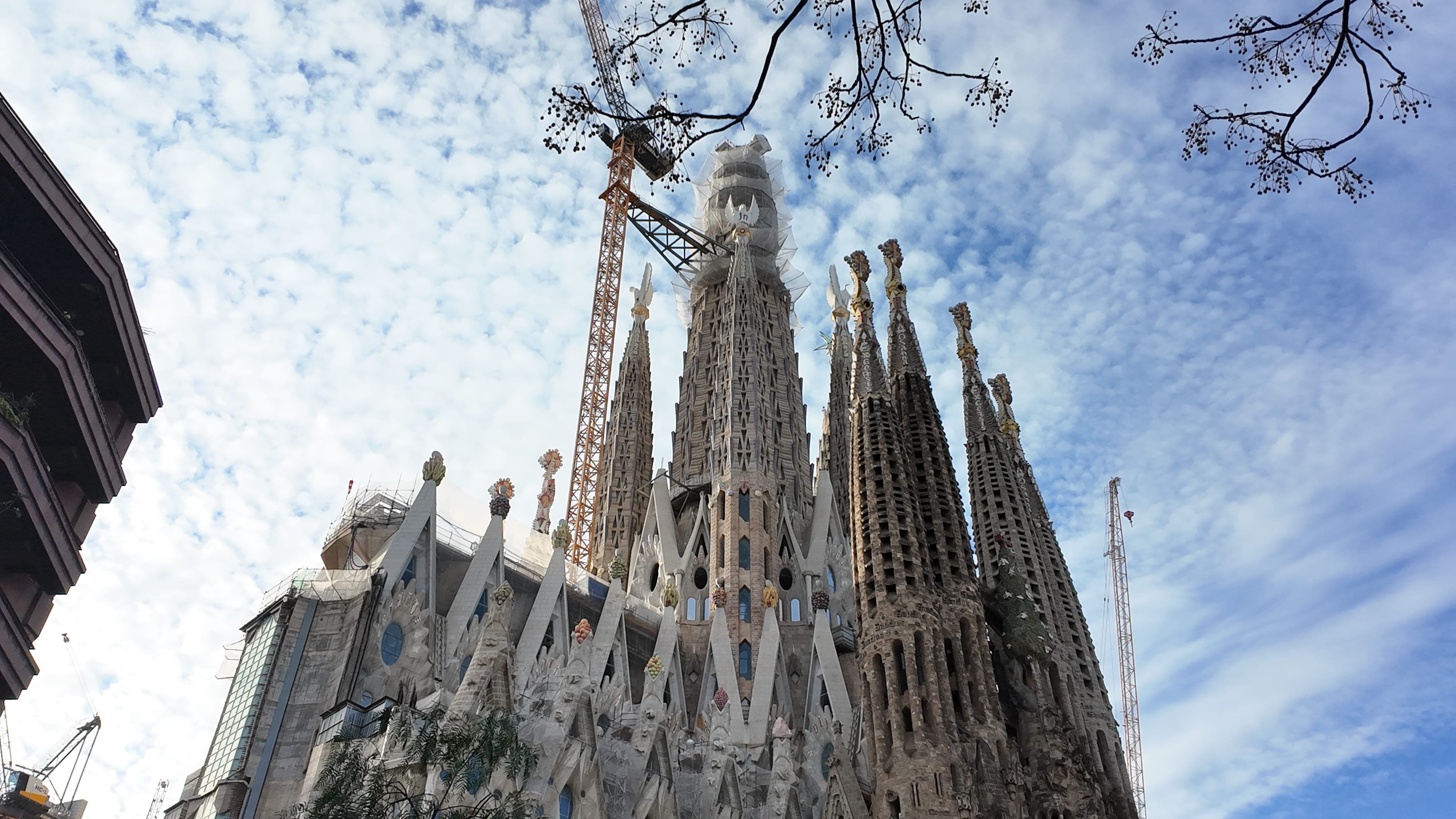
The Sagrada Família is the one sight that lives up to every superlative. Basic timed tickets cost €26, or €40 with tower access, and you should book online before you fly, never at the door, because slots vanish days ahead. Gaudí's basilica is finally approaching completion in 2026, and the morning light through the stained glass turns the whole nave into a kaleidoscope; we recommend a slot before 10 am on the Nativity facade side.
Park Güell now charges €18 for its ticketed Monumental Zone after prices jumped 80% in 2026, so make it count: book the opening slot for the iconic serpent bench and mosaic salamander before the crowds, and remember the surrounding parkland and viewpoints are still free. Casa Batlló on Passeig de Gràcia runs €35-45 depending on time slot; its augmented-reality tablet tour is genuinely magical, though admiring the dragon-scale facade from the street costs nothing.
Balance the paid Gaudí circuit with Barcelona's free masterpieces. The Gothic Quarter's medieval alleys, Plaça Reial, and remnants of Roman walls cost nothing to wander, with the cathedral asking a €9 donation. The Magic Fountain of Montjuïc puts on a free light-and-music show on Thursday to Saturday evenings in season, and the Montjuïc cable car (€14-17) adds the best city-and-sea panorama in town.
Food in Barcelona: tapas, markets, and paella
Eat your way through the tapas canon: patatas bravas (€4-6), pan con tomate (€2-4), gambas al ajillo (€8-12), and jamón ibérico that is worth every euro of its €12-18 plate price. The best-value crawls we found were along Carrer de Blai in Poble-sec, where pintxos go for €1-2.50 apiece and a satisfying dinner with vermouth costs €15-20 per person. In the Gothic Quarter and El Born, expect €25-40 for a proper tapas dinner with wine.
La Boqueria market off La Rambla is touristy but still worth an early-morning visit for €6-8 fruit juices and cones of jamón; for a more local scene at lower prices, walk to Mercat de Santa Caterina in El Born or Mercat de Sant Antoni. Real paella is a lunch dish, takes 20-plus minutes to cook, and costs €16-25 per person at proper places near Barceloneta; anything glowing yellow under a heat lamp on La Rambla is best avoided.
Two local rhythms to adopt: lunch menus (menu del dia) offer three courses with wine for €12-16 at neighborhood restaurants on weekdays, the single best food deal in the city, and dinner rarely starts before 9 pm. Finish with crema catalana (€4-6) or churros with chocolate, and note that a caña of beer runs €2.50-3.50 while good vermouth, the Sunday-noon tradition, costs about the same.
Neighborhood deep-dive: the Gothic Quarter and El Born
The Barri Gòtic is 2,000 years of city stacked in one square kilometer, and getting deliberately lost here was our favorite free activity in Barcelona. Start at the cathedral, find the Roman temple columns hidden inside a medieval courtyard on Carrer del Paradís, then drift through Plaça Sant Felip Neri, whose walls still carry Civil War shrapnel scars. Early morning, before 9 am, you will have lanes to yourself that are shoulder-to-shoulder by noon.
Cross Via Laietana into El Born and the mood shifts from medieval to fashionable: independent boutiques, cocktail bars, and the magnificent Santa Maria del Mar basilica, free to enter outside guided-visit hours. The Picasso Museum here holds the artist's formative works in five Gothic palaces; book online ahead as timed slots sell out, and it offers free entry on Thursday evenings and the first Sunday of each month.
When the stone streets wear you down, Barceloneta beach is a 15-minute walk from El Born. The sand is busy but genuinely swimmable from May through early October, and the boardwalk promenade toward Port Olímpic makes a great sunset run or bike ride. A word of caution we heard repeatedly and can confirm: never take valuables to the beach, and keep phones off cafe tables along La Rambla.
Getting around Barcelona and where to stay
Barcelona's metro is fast and comprehensive. A single ride costs €2.65, but the T-casual card gives ten rides for about €12.50, cutting the per-ride cost in half, and the Hola Barcelona pass offers unlimited travel from €18.10 for 48 hours. From El Prat Airport, the Aerobús reaches Plaça de Catalunya in 35 minutes for €7.25, or the R2 Nord train runs to Passeig de Gràcia for about €5. The city core, from the Gothic Quarter up through the Eixample, is very walkable.
For a first visit, stay in the Eixample near Passeig de Gràcia: safe, central, architecturally gorgeous, and full of good restaurants, with mid-range doubles at €120-200 per night. The Gothic Quarter and El Born put you in the medieval heart for a similar price but with more night noise. Gràcia village charm costs slightly less at €90-150, hostel beds run €25-45, and beachfront Barceloneta commands a premium in summer. Wherever you stay, look for rooms off the street; Barcelona nights are loud.
Best time to visit Barcelona and practical tips
May, June, and September are the sweet spots: reliably sunny 22-27°C days, warm sea, and slightly thinner crowds than the July-August peak, when humidity climbs and hotel prices spike 30-50%. October still offers beach-warm afternoons, while winter is mild at 10-15°C, quiet, and noticeably cheaper, though a few beach services close. La Mercè festival in late September fills the city with free concerts, fire runs, and human towers.
Practical notes from our trip: pickpocketing is Barcelona's one real tourist problem, concentrated on La Rambla, the metro, and the beach, so use zipped bags and front pockets. Book the Sagrada Família and Park Güell before booking your hotel. Many shops still close on Sundays, and Catalan and Spanish share signage everywhere; locals appreciate even a bon dia. Tap water is safe, tipping is a modest round-up, and the metro runs all night on Saturdays.
How much does a trip to Barcelona cost?
The Gaudí big three dominate the sightseeing budget: expect $85-110 per person to cover the Sagrada Família with tower access, Park Güell's Monumental Zone, and Casa Batlló. Everything else that makes Barcelona special, from the Gothic Quarter to the beach to the Magic Fountain show, is free or nearly so, which lets you rebalance money toward food, where this city really rewards spending.
Daily budgets: backpackers can manage on $70-100 with a hostel bed, menu del dia lunches, pintxos dinners on Carrer de Blai, and one paid sight per day. A comfortable mid-range trip runs $150-230 per day with an Eixample hotel double, tapas dinners with wine, and all the Gaudí tickets. Luxury starts around $350. For two people, a well-fed four-day mid-range trip lands around $1,300-1,900 excluding flights.
See it on the Map
View Barcelona alongside all my other footprints.
More from Europe
Budgeting for Spain
Wondering how much Spain costs? See our real budget breakdown with daily costs at budget, mid-range, and luxury levels.