Rome Italy Travel Guide
We gave Rome four days and it still was not enough, because every wrong turn in this city ends at a 2,000-year-old monument or a perfect plate of carbonara. The Colosseum and Vatican delivered exactly the goosebumps we hoped for, but the quiet moments won us over just as much: the Pantheon at opening time, Trastevere after dinner, Trevi before sunrise. Here is everything we learned about tickets, food, neighborhoods, and costs.
Quick Facts
Country
Italy
Region
Lazio
Language
Italian (English common in tourist areas)
Currency
Euro (EUR)
Best Time to Visit
April-May and late September-October
Visa (MY/PH)
Schengen rules apply ~ check current requirements
Getting Around
Walking plus metro/bus (€1.50 single, €7 day pass)
Daily Budget
Budget
$70-100
Mid
$150-230
Luxury
$350+
Top things to do in Rome
The Colosseum is the essential first booking. Tickets cost €18-24 as a combo that also covers the Roman Forum and Palatine Hill, entry is timed, and slots sell out days ahead, so book only on the official site (colosseo.it) since resellers charge double. Our best tip: use the same combo ticket to enter the Forum via the Palatine Hill gate on Via di San Gregorio, where the queue is a fraction of the main Forum entrance.
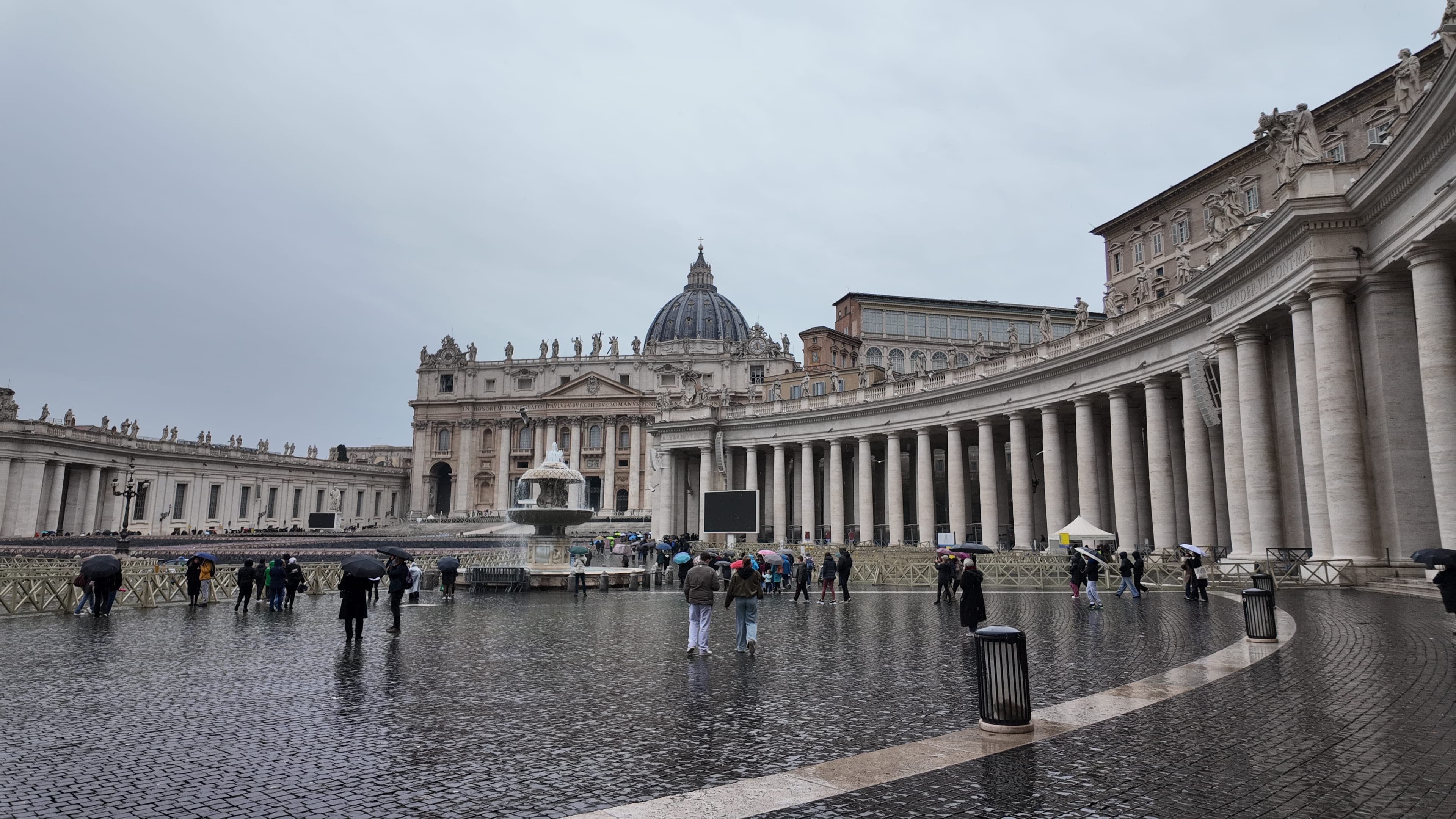
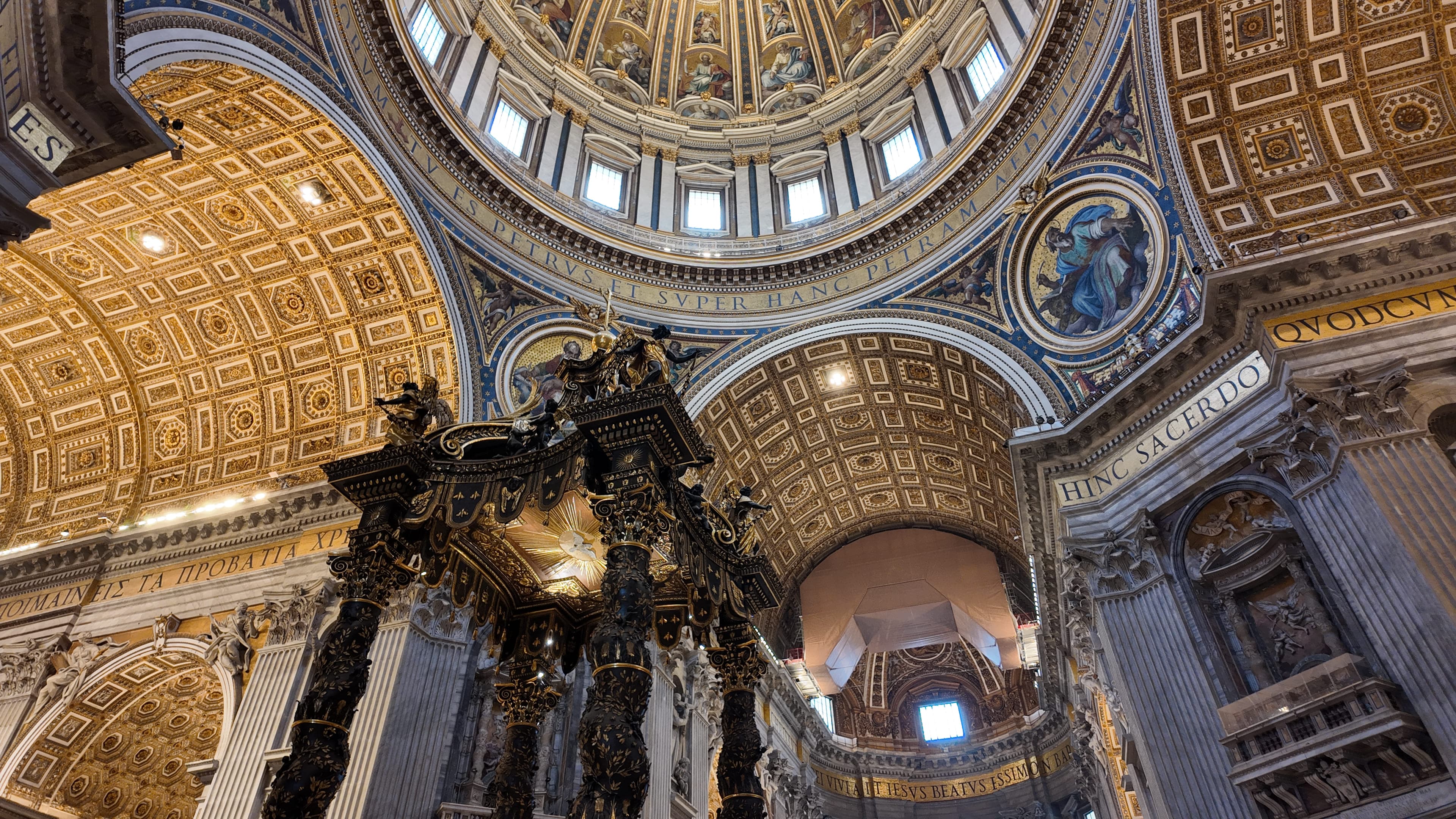
Across the river, the Vatican Museums and Sistine Chapel run €20-25 plus a €5 online booking fee, and that €5 is the best money you will spend in Rome, because walk-up queues regularly exceed two hours. St. Peter's Basilica itself is free to enter, and the dome climb costs €10-15 for what we think is the single best view in the city. Go at the 7 am opening to beat the security line.
The rest of the historic center is astonishingly cheap. The Pantheon charges just €5 for the world's largest unreinforced concrete dome, still standing after 2,000 years with Raphael buried inside. The Trevi Fountain is free, though it costs one coin over your left shoulder if you want to guarantee a return trip. Visit it before 7 am or after 11 pm; at midday it is shoulder-to-shoulder selfie sticks.
Food in Rome: what and where to eat
Rome has four pastas you must try: carbonara, cacio e pepe, amatriciana, and gricia. In a proper neighborhood trattoria in Testaccio or Trastevere, each runs €10-16 a plate, and the difference from tourist-menu versions near the Trevi is night and day. As a rule, walk two blocks away from any major monument before sitting down, and be suspicious of restaurants with photo menus and hosts who beckon.
Street food keeps lunches cheap. Suppli, the fried rice balls with a molten mozzarella heart, cost €2-3.50, pizza al taglio is sold by weight for €3-5 a generous slice, and a proper espresso at the bar is still around €1.20-1.50. Standing at the counter is the local move; sitting at a table can double the price of the same coffee.
Budget €30-50 per person for a full trattoria dinner with wine, or half that for a casual pizzeria. Gelato is the mandatory dessert: expect €2.50-4 for a small cone, and look for shops where the pistachio is dull khaki rather than bright green, which is the reliable sign of real ingredients. An evening Aperol spritz in a piazza runs €6-10 and comes with free people-watching.
Neighborhood deep-dive: Trastevere
Trastevere, just across the Tiber from the centro storico, was our favorite corner of Rome. By day it is all ochre walls, ivy, laundry lines, and the glittering mosaics of Santa Maria in Trastevere, one of the city's oldest churches and free to enter. The neighborhood rewards aimless wandering more than any checklist, so give it a slow afternoon.
By night it becomes Rome's dinner table. The lanes around Piazza di Santa Maria fill with trattorias where a memorable meal costs €25-40 per person, and the bars pour wine by the glass from €4-6. We ate our single best carbonara of the trip here at a place with paper tablecloths and no English menu, which is exactly the type to look for.
Climb the Gianicolo hill from Trastevere's western edge for a free panoramic view over the entire city, cannon fired daily at noon. Then walk back across Ponte Sisto at dusk, when the bridge frames St. Peter's dome against the sunset. That 30-minute loop cost us nothing and remains one of our sharpest memories of Rome.
Getting around Rome and where to stay
Rome's historic center is best covered on foot, since the Pantheon, Trevi, Piazza Navona, and Campo de' Fiori all sit within a 20-minute walk of each other. For longer hops, a single metro or bus ticket costs €1.50 and is valid 100 minutes, a 24-hour pass runs €7, and 48 hours costs €12.50. From Fiumicino Airport, the Leonardo Express train reaches Termini station in 32 minutes for about €14.
Stay in the centro storico near the Pantheon or Piazza Navona if your budget allows, with mid-range doubles at €130-220 per night, because walking home past floodlit monuments never gets old. Monti, wedged between the Colosseum and Termini, is a stylish and slightly cheaper alternative at €100-170, while Trastevere suits travelers who prioritize food and nightlife. Hostel beds run €25-45, and avoid basing yourself out by the ring road to save €30; you will lose it in time and transit.
Best time to visit Rome and practical tips
April-May and late September-October are ideal, with 18-25°C days perfect for walking marathon distances between sights. August is the month to avoid if you can: temperatures push past 33°C, many family restaurants close for the ferragosto holiday, and the crowds do not shrink to match. Winter is underrated, with short queues, moody light, and hotel prices 30-40% lower than spring.
Practical notes we learned the hard way: churches enforce covered shoulders and knees, including St. Peter's, so carry a scarf. Drink from the nasoni, the free cast-iron drinking fountains scattered everywhere. Validate paper transit tickets in the yellow machines or risk a €50-plus fine. Book the Colosseum and Vatican before you even book flights in peak season, and keep valuables zipped on bus 64 and around Termini, the pickpocket hotspots.
How much does a trip to Rome cost?
Plan on $55-75 per person total for the headline sights: the Colosseum combo at €18-24, the Vatican Museums at €20-25 plus the €5 booking fee, and the €5 Pantheon, with another €10-15 if you climb St. Peter's dome. Everything else that defines Rome, from the Trevi to the piazzas to the churches full of Caravaggios, costs little or nothing.
Daily totals: backpackers can do Rome on $70-100 with a hostel, street food, and one paid sight per day. A comfortable mid-range trip runs $150-230 per day with a well-located hotel double, trattoria dinners, and all the major tickets, which matches what we spent. Luxury starts around $350 per day. A realistic four-day mid-range trip for two lands around $1,300-1,800 excluding flights.
See it on the Map
View Rome alongside all my other footprints.
More from Europe
Budgeting for Italy
Wondering how much Italy costs? See our real budget breakdown with daily costs at budget, mid-range, and luxury levels.