Singapore City Travel Guide
Singapore is the most polished city we've ever traveled, and yes, it can be pricey, but it balances its big-ticket attractions with world-class free ones. The Supertree light show, the Merlion, and the Spectra water show over Marina Bay all cost nothing, while hawker centres serve Michelin-listed meals for a few dollars. We spent our days bouncing between futuristic gardens and heritage districts, and this guide breaks down exactly what's worth paying for.
Quick Facts
Country
Singapore
Region
Southeast Asia
Language
English, Mandarin, Malay, Tamil (English everywhere)
Currency
Singapore dollar (SGD), 1 USD is about S$1.34
Best Time to Visit
February to April (drier season)
Visa (MY/PH)
Visa-free for many nationalities ~ check current rules
Getting Around
MRT rides S$1-2.50, tap in with any contactless card
Daily Budget
Budget
$60-80
Mid
$150-250
Luxury
$400+
Top things to do in Singapore
Gardens by the Bay is the headline act, and the best part is free. The Supertree Grove costs nothing to wander, and the Garden Rhapsody light show at 7:45 and 8:45 pm nightly is free too, just lie on the grass under the Supertrees and look up. The OCBC Skyway walk between the trees is S$14 and worth it at dusk. The two indoor conservatories, Cloud Forest with its 35-metre indoor waterfall and the Flower Dome, cost S$32-53 for the bundled ticket, cheaper online than at the gate.
For the classic skyline, Merlion Park is free and best at blue hour, and if you stay put you'll catch Spectra, the free water-and-light show across the bay at 8 and 9 pm. The Marina Bay Sands SkyPark observation deck runs S$32-36, about $24-27, but here's the budget hack we used: skip the deck and order a drink at the rooftop bar instead, similar view, and the money goes into your glass.
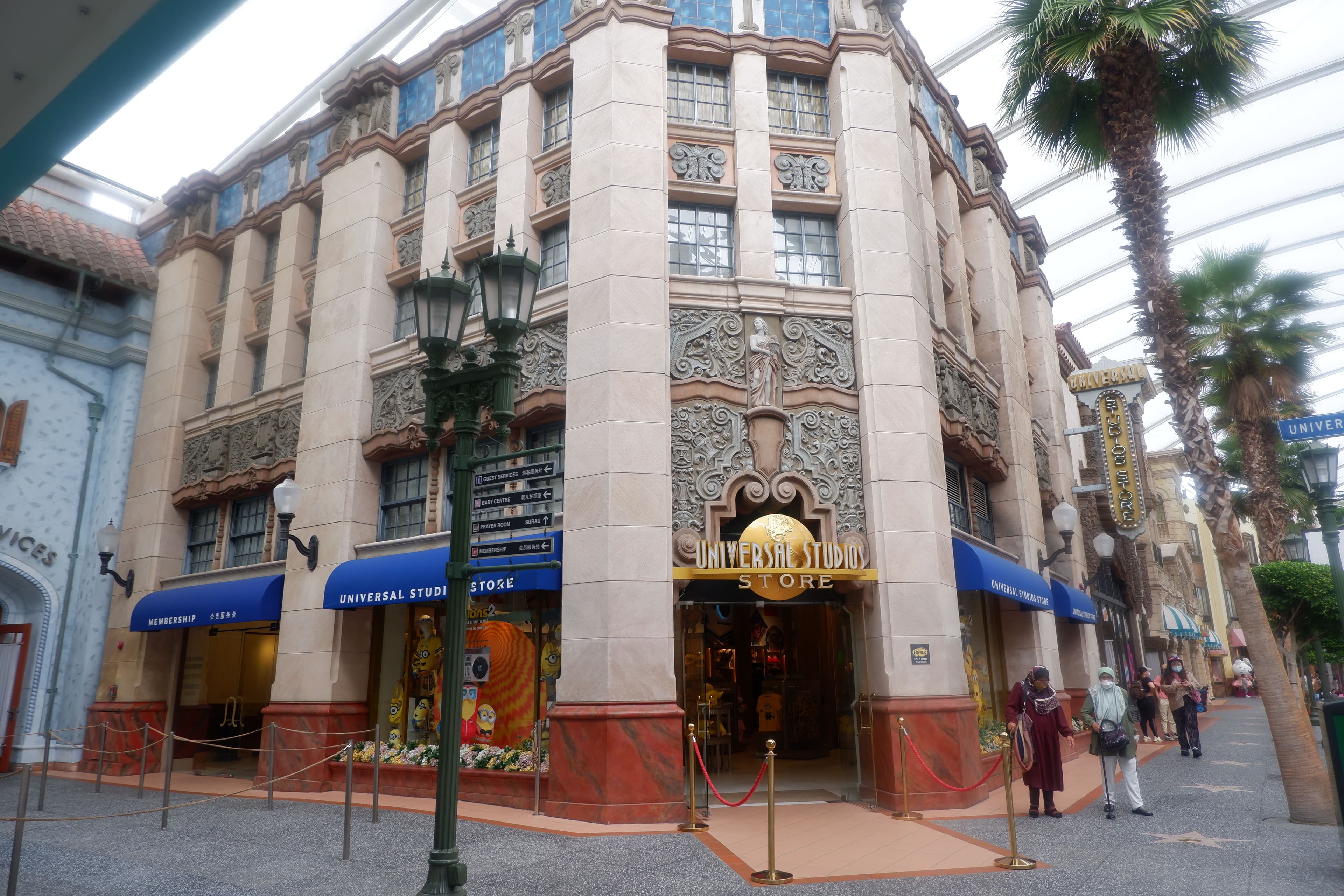
If you have extra days, the Singapore Flyer, one of the world's largest observation wheels, is S$40 for a 30-minute air-conditioned rotation, lovely at night over the F1 street circuit lights. Universal Studios Singapore on Sentosa costs S$83-98 for a one-day pass, roughly $62-73, so go on a weekday when queues are half as long and buy dated tickets online, since walk-up prices are higher and holidays can sell out.
Hawker centres: eating brilliantly for a few dollars
Hawker food is the great equalizer in this expensive city, and it's where we ate almost every meal. Maxwell Food Centre near Chinatown is famous for Hainanese chicken rice at S$5-8 a plate, while Lau Pa Sat downtown transforms at night when the satay street fires up, a dozen skewers with peanut sauce for around S$10. Expect char kway teow, laksa, and hokkien mee everywhere for S$4-8. A full meal with a drink rarely tops S$10, which is astonishing given restaurant mains nearby start at S$25.
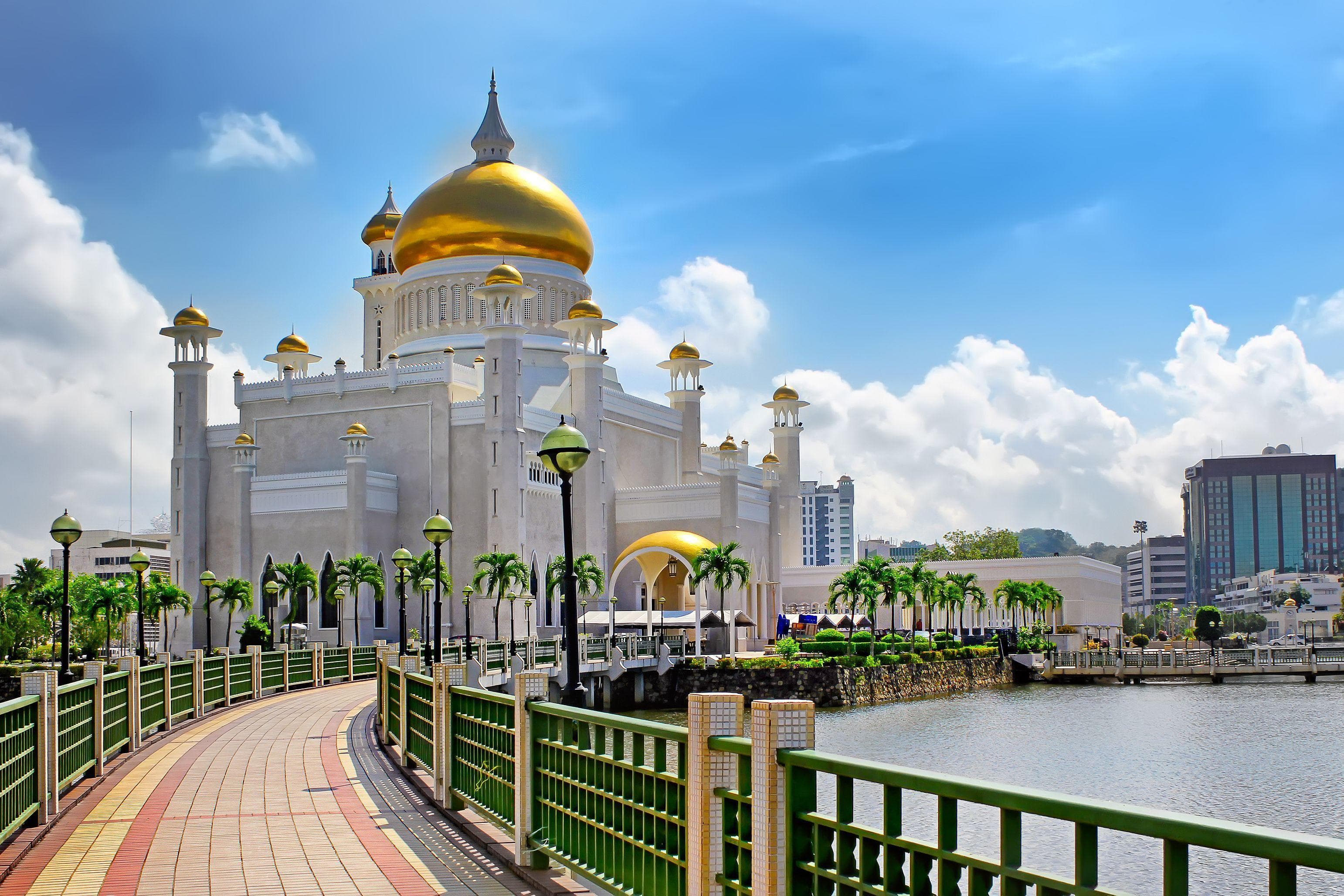
Spread your eating across the heritage districts. Chinatown does old-school kopitiam breakfasts of kaya toast, soft eggs, and kopi for S$5-6. Little India is the place for fish head curry, dosas, and biryani, with hearty plates from S$6-12. Kampong Glam, around the golden-domed Sultan Mosque, mixes Malay classics like nasi padang with modern cafes on Haji Lane. Eating this way, food cost us less per day in Singapore than in some far cheaper countries.
Neighborhood deep-dive: Chinatown, Little India, and Kampong Glam
Singapore's heritage districts are compact enough to explore one per morning, and all are free. In Chinatown, the Buddha Tooth Relic Temple is a working four-storey temple with free entry, surrounded by restored shophouses and market streets. Walk it early before tour groups arrive, then coffee at a kopitiam. Little India, one MRT stop away in spirit and two in practice, is the most sensory district, garland stalls, gold shops, the technicolour Sri Veeramakaliamman Temple, and the 24-hour Mustafa Centre where you can buy practically anything on earth.
Kampong Glam was our favorite. The Sultan Mosque anchors streets of Persian rug shops, perfume makers, and the street art of Haji Lane, which fills with cafe tables by afternoon. Between districts, the Singapore Botanic Gardens, a UNESCO site, is free and open from 5 am to midnight, with only the National Orchid Garden charging a small entry fee. It's the perfect quiet counterweight to Marina Bay's polish, and locals genuinely use it, which makes it feel real.
Getting around Singapore and where to stay
The MRT is the easiest metro system we've used anywhere. Trains are frequent, spotless, and cheap, with most rides costing S$1-2.50, and you can tap in with any contactless bank card, no tourist pass needed. Changi Airport connects to the city centre in about 25 minutes by MRT. Buses fill the gaps, Grab handles late nights, and the core of the city, Marina Bay to Chinatown to the river, is genuinely walkable if you can handle the humidity.
Accommodation is the budget-breaker, so choose deliberately. Staying near Marina Bay or Chinatown keeps everything in this guide within walking distance or a couple of MRT stops. Hostel pod beds run S$40-60, decent mid-range hotels S$150-250, and Marina Bay Sands itself starts well north of S$500. We stayed in Chinatown and would again: great food downstairs, an MRT interchange nearby, and roughly half the price of a bay-view room.
Best time to visit Singapore and practical tips
Singapore sits almost on the equator, so it's 30-32°C and humid every single day of the year. February to April is the drier, slightly more comfortable window, while November to January brings the heaviest monsoon downpours. Rain usually arrives as a dramatic hour-long afternoon storm rather than an all-day soak, so plan indoor stops, museums, malls, or the conservatories, for mid-afternoon and do your outdoor walking in the morning and evening.
Practical notes we learned the easy way: tap water is safe to drink, so refill bottles. Chewing gum sales are banned and fines for littering are real, though as a normal tourist you'll never notice. Book Universal and the conservatories online in advance for discounts. And schedule your evenings around the free shows, Garden Rhapsody at 7:45 pm, then Spectra at 9 pm across the bay, that's the best free night out in Asia.
How much does Singapore cost per day?
Sightseeing costs depend heavily on your picks. Our full attraction spend fell in the $90-180 range: the conservatories at S$32-53, SkyPark at S$32-36, the Flyer at S$40, and Universal Studios at S$83-98 are the big tickets, while the light shows, Merlion, Supertree Grove, botanic gardens, and every heritage district are free. Skip Universal and one deck and you can halve that number without feeling it.
As a daily budget, count on $60-80 for backpackers using hostels, hawker food, and free sights, $150-250 for a comfortable mid-range trip with a hotel and a couple of paid attractions, and $400+ if you're doing rooftop bars and bay-view rooms. Three days is enough for the core; four to five lets you add Sentosa and the neighborhoods properly. Food is the one place Singapore is cheap, so let the hawker centres subsidize the rest.
See it on the Map
View Singapore City alongside all my other footprints.
Budgeting for Singapore
Wondering how much Singapore costs? See our real budget breakdown with daily costs at budget, mid-range, and luxury levels.