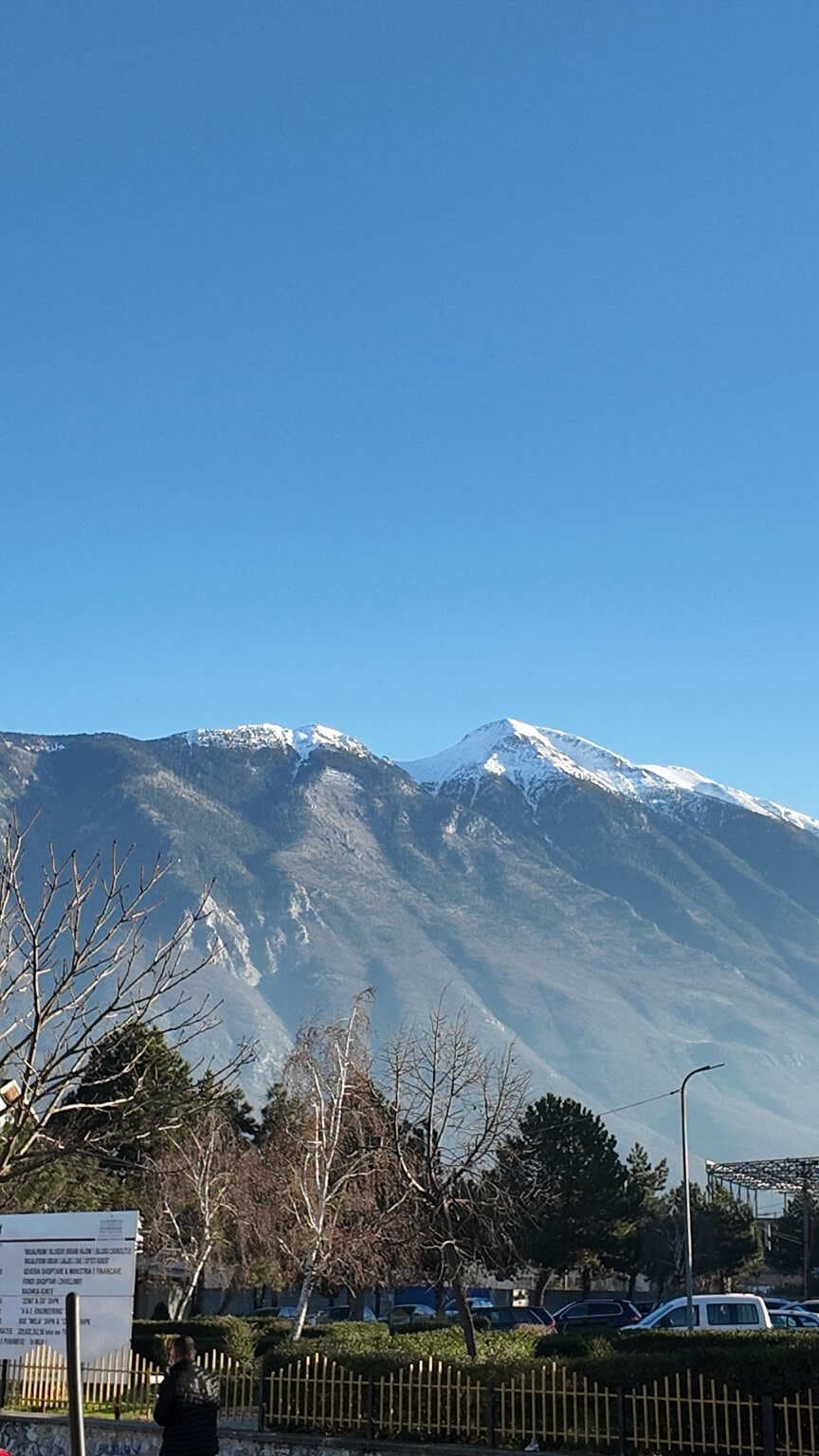
Sarajevo Bosnia and Herzegovina Travel Guide
We drank Bosnian coffee beside the Sebilj fountain while coppersmiths hammered in the lanes around us, and within a five-minute walk we crossed from Ottoman bazaar to Austro-Hungarian boulevard. Sarajevo is where East meets West more literally than anywhere else we have traveled, and the scars of the 1990s siege sit quietly beside minarets, cathedrals, and synagogues. It is also one of Europe's most affordable capitals, with most sights free and the paid museums costing pocket change. This guide shares everything we learned in Bosnia's unforgettable capital.
Quick Facts
Country
Bosnia and Herzegovina
Region
Balkans
Language
Bosnian (English common among younger locals)
Currency
Convertible mark (BAM), pegged to the euro
Best Time to Visit
April to June and September to October; winter for cheap skiing
Visa (MY/PH)
Visa-free up to 90 days for US, UK, EU, and many other nationalities
Getting Around
Walk the compact center; trams ~1.80 KM per ride, metered taxis 5-10 KM in town
Daily Budget
Budget
$30-45
Mid
$60-90
Luxury
$140+
Top things to do in Sarajevo
Start in Baščaršija, the Ottoman-era bazaar quarter centered on the wooden Sebilj fountain. It is free to explore and worth two to three hours of slow wandering: sip Bosnian coffee, watch coppersmiths at work in Kazandžiluk lane, and follow the pigeons across the square. A few blocks away, the Gazi Husrev-beg Mosque (1531), the grandest Ottoman mosque in the Balkans, admits non-worshippers outside prayer times for about 3 KM (roughly $1.70); dress modestly, and scarves are provided at the door.
History pivots at the Latin Bridge, the spot where the 1914 assassination of Archduke Franz Ferdinand lit the fuse of World War I. The bridge itself is free, and the small museum on the corner tells the story for a couple of marks. Nearby, Sarajevo City Hall (Vijećnica), a striped neo-Moorish jewel burned during the siege and painstakingly rebuilt, charges about 10-12 KM (roughly $6), and the stained-glass ceiling inside justifies every mark.
The most moving sight lies out by the airport: the Tunnel of Hope, the hand-dug passage beneath the runway that kept besieged Sarajevo alive from 1992 to 1995. Entry costs about 10 KM (roughly $6), and we recommend combining it with a taxi ride or a guided siege tour for context. Back in town, climb to the Yellow Fortress (Žuta Tabija) for the best free view over the minarets and red roofs; locals gather there at sunset, and during Ramadan a cannon fires from the bastion to break the fast.
Food in Sarajevo: ćevapi, burek, and Bosnian coffee
Ćevapi is the city's signature dish: finger-sized grilled beef sausages stuffed into puffy somun flatbread with raw onion and often a smear of kajmak cream. A portion of five to ten pieces costs just 5-9 KM (about $3-5) at the famous grill houses of Baščaršija, where locals crowd in at lunchtime. Burek, the coiled meat-filled filo pie sold by weight in buregdžinicas, makes the classic quick meal at 3-5 KM, with cheese (sirnica) and spinach (zeljanica) versions alongside.
Bosnian coffee is a ritual, not a caffeine stop. It arrives in a copper džezva pot with a rahat lokum sweet, costs 2-4 KM in old-town cafes, and is meant to stretch across an hour of conversation. For a fuller sit-down meal, try klepe (Bosnian dumplings with garlic yogurt) or begova čorba (creamy chicken and okra stew) at traditional restaurants called aščinicas, where mains rarely pass 10-15 KM. We never spent more than $15 a head on any dinner in the old town.
Save room for dessert. Tufahija, a walnut-stuffed poached apple in syrup, and baklava both cost 3-5 KM in bazaar sweet shops. Note that many Baščaršija grill houses serve no alcohol out of tradition, so beer drinkers should head to the Austro-Hungarian side of the center, where Sarajevska Pivara has brewed since 1864 and pub prices hover around 3-5 KM per beer, a fraction of Western European costs.
Day trips: Mostar, the war tunnels, and mountain viewpoints
Mostar is the classic day trip, about 2-2.5 hours south by an exceptionally scenic train or bus ride down the Neretva canyon. The rebuilt Ottoman bridge, Stari Most, arcs over impossibly green water, and in summer local divers plunge from its parapet. Return fares run about 20-30 KM, and going early beats both the heat and the coach crowds. We caught the morning train, spent six hours in Mostar's old town, and were back in Sarajevo for dinner.
For siege history in depth, half-day tours combine the Tunnel of Hope (entry about 10 KM) with the abandoned 1984 Winter Olympics bobsled track on Mount Trebević, now a graffiti-covered forest walk with sobering wartime context. The Trebević cable car whisks you from the old town up the mountain in minutes, and the ridge paths and viewpoints at the top make an easy half-day escape with panoramas across the entire valley.
Closer still, simply walking uphill rewards you. The lanes above Baščaršija climb past Ottoman houses and old cemeteries to the Yellow Fortress and, further along, the White Fortress, both free. We spent a whole golden hour up there watching the call to prayer echo across the bowl of the city, and it remains our single strongest memory of Sarajevo, costing exactly nothing.
Getting around Sarajevo and where to stay
Base yourself in or beside Baščaršija; the historic center is compact, flat along the river, and entirely walkable, with almost every major sight within a 15-minute stroll. Sarajevo's trams, among the oldest systems in Europe, rattle the length of the main boulevard and cost about 1.80 KM per ride, useful for reaching the train station or the western districts. The Tunnel of Hope sits out by the airport, so pair it with your arrival or departure, or take a taxi.
Taxis are cheap and honest by European standards when metered: most rides within the center cost 5-10 KM, and the airport run is about 15-20 KM. From Sarajevo International Airport (SJJ), that taxi is the simplest arrival option since public transport connections require a transfer. Accommodation is excellent value: old-town guesthouses and hostels charge $15-25 per bed, comfortable mid-range hotels run $40-80 per night, and even the grand Austro-Hungarian-era hotels rarely top $120.
Staying near Baščaršija means waking to the bazaar and the call to prayer; the Austro-Hungarian quarter a few blocks west is marginally quieter with easier tram access. Cash rules in the bazaar, so carry convertible marks in small notes; ATMs are plentiful, and note that the mark is pegged to the euro, making mental math easy. Card payment works in hotels and newer restaurants but not at most grill counters or coffee houses.
Best time to visit Sarajevo and practical tips
April to June and September to October offer the best walking weather, with mild days, green hillsides, and thin crowds. July and August are warm but rarely brutal thanks to the mountain setting, and they bring the Sarajevo Film Festival in August, when the city buzzes and rooms should be booked ahead. Winter turns Sarajevo into a budget ski base, with Olympic pistes at Jahorina and Bjelašnica under an hour away and passes far cheaper than the Alps.
A few practical notes from our visit: stick to paved paths and marked trails when hiking on surrounding hills, as some remote areas still carry landmine risk from the war; every marked tourist route and city sight is completely safe. Dress modestly for mosque visits, and remember most sights close or shorten hours on religious holidays. English is widely spoken by younger people, locals are strikingly generous with directions, and the blend of mosques, churches, and synagogues within one square kilometer earns the city its nickname, the Jerusalem of Europe.
How much does a Sarajevo trip cost?
Sightseeing barely dents a wallet: budget $15-25 total for attractions, since the Tunnel of Hope (about 10 KM, roughly $6) and City Hall (10-12 KM, roughly $6) are the main paid sights, the Gazi Husrev-beg Mosque costs about $1.70, and Baščaršija, the Latin Bridge, and the Yellow Fortress viewpoint are all free. Even adding a Latin Bridge corner museum ticket and a cable car ride keeps the entire cultural program under $30.
Daily totals are among Europe's lowest. Backpackers can travel comfortably on $30-45 per day with hostel beds, burek breakfasts, and ćevapi dinners. Mid-range travelers with boutique old-town hotels, restaurant meals, taxis, and a guided siege tour should budget $60-90 per day. Genuine top-end travel rarely exceeds $140 daily. Two to three days covers the city and the tunnel; add a day for Mostar (20-30 KM return) and you have one of the most affordable and affecting city breaks on the continent.
See it on the Map
View Sarajevo alongside all my other footprints.
More from Europe
Budgeting for Bosnia and Herzegovina
Wondering how much Bosnia and Herzegovina costs? See our real budget breakdown with daily costs at budget, mid-range, and luxury levels.